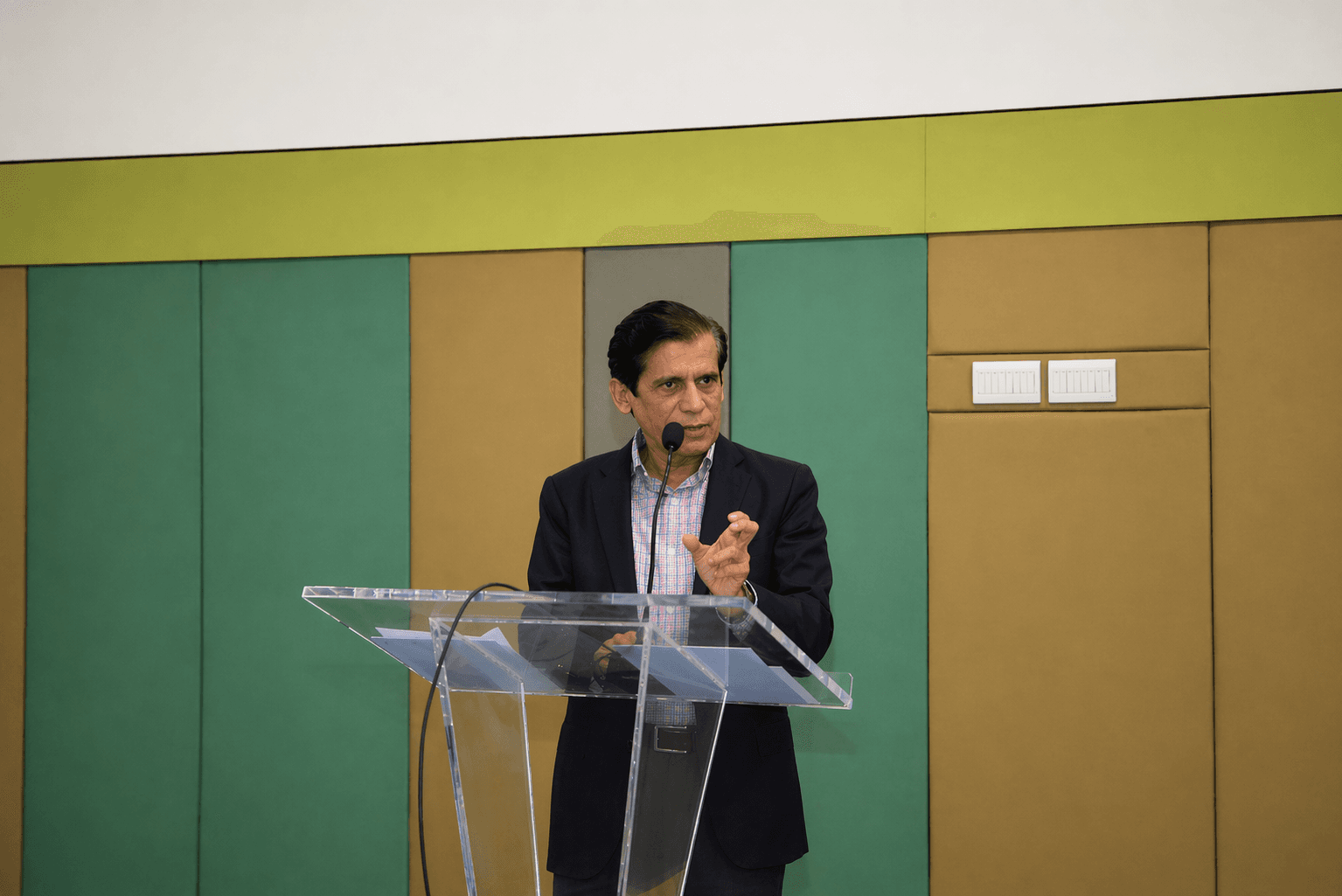
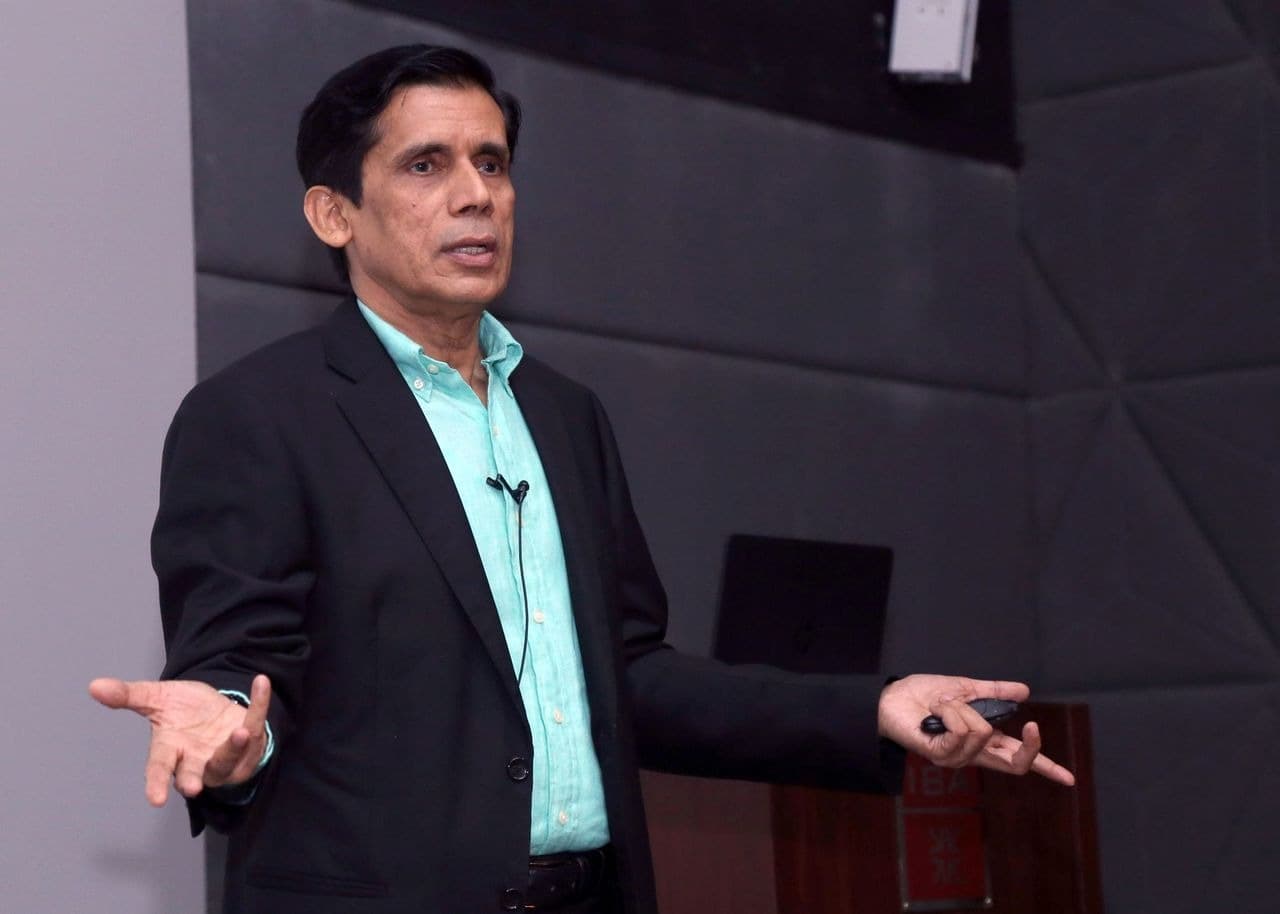
Muhammad Qaysar Alam's Story
Story by Muhammad Qaysar Alam on CaySpace (Muhammad Qaysar Alam)
Walking Into Difficult Things: How War, Factories, and Crisis Built My Life
My journey has been marked by constant fluctuations and unpredictable challenges!
I spent most of my childhood in few cities of Bangladesh, when it was still East Pakistan. My father worked for Glaxo Laboratories, now GSK, and because of his transfers, our family rarely stayed in one place for long. Every few years there was a new city, new home, new school, and new beginning. At that age, I did not realize it, but life was training me early to become adaptable.
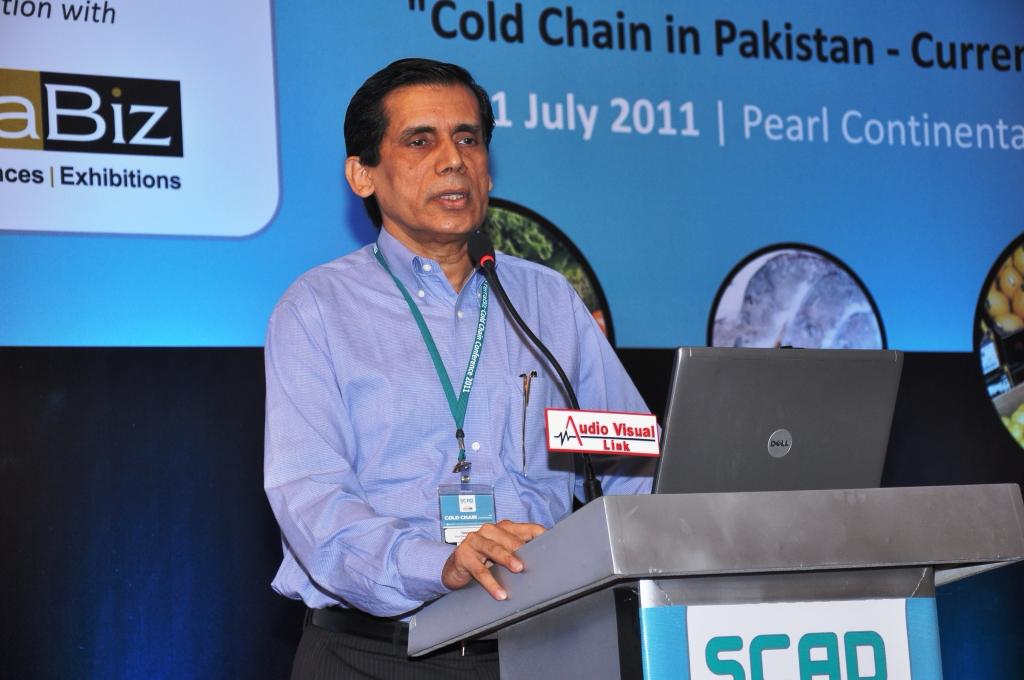
Drop into the Smoke: The Deadly Gate at East Pakistan!
I was standing right at the gate of my house when the Mukti Bahini forces entered. They were wearing sneakers, screaming at the top of their lungs. I was just a child, frozen. In that heavy, suffocating silence, there was a very real risk they would shoot me on the spot. That was 1971. I witnessed the violent separation of Bangladesh with my own eyes. I remember the overwhelming fear hanging in the streets, the abandoned homes, the sheer brutality of the slaughter, and the haunting sight of the execution places in Khulna and Chittagong. I saw things that no child should ever see: bones scattered in the dirt, and even the clothes of a one-month-old baby. That is the kind of detail that stays with a reader for years.
We were the one of the tenants in that area. We survived because our landlord, who knew my father through Glaxo, showed immense courage and protected us. When the chaos peaked, we escaped across the border into India, and then moved through Nepal and Bangkok before finally landing in Karachi. We spent three months living in a GSK Guest House West Wharf Karachi before relocating to North Nazimabad. That is where my story truly began. When a child witnesses that level of instability and raw survival early on, his foundations are altered. Later in life, you simply do not get shaken by ordinary problems.
Faith, Reading, and How My Mind Was Built
My upbringing gave me a profound hunger for intellectual clarity. During my university years, I sought out deep theological minds. I became close friends with scholars. I used to visit them, ask endless, difficult questions, and we would discuss topics like history, governance and religion. This nursery of rigorous questioning, paired with absolute spiritual grounding, built my mind. It taught me to never accept polished, superficial answers in life or in business.
Roots, Relocations, and the Nursery of Values
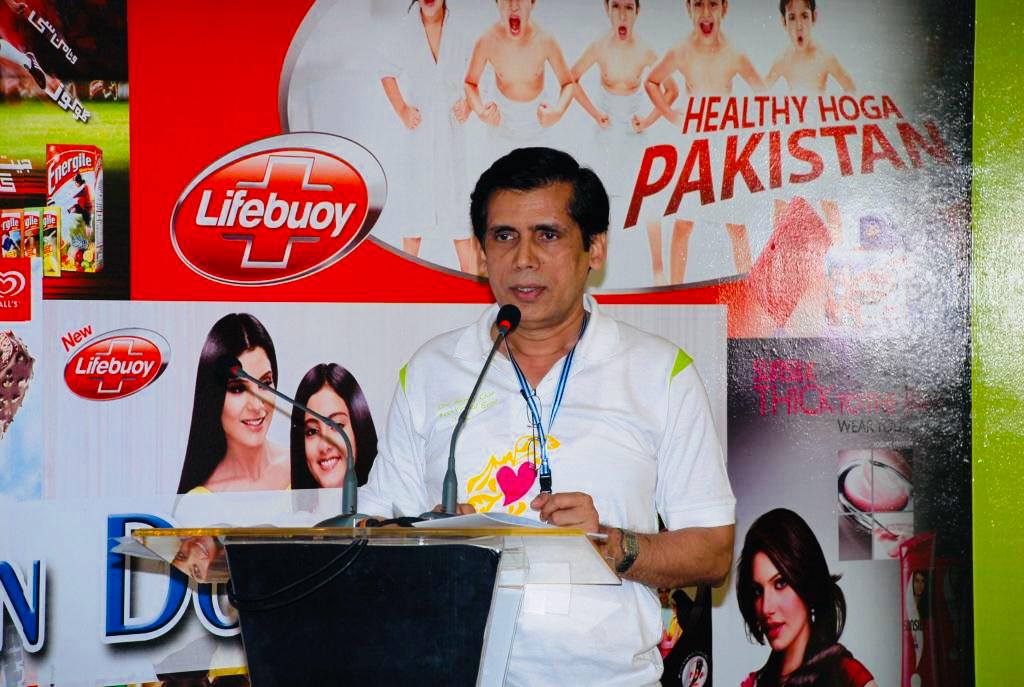
People look at a corporate leader and assume his path was a straight, clinical march to the top. My life was never like that. My father worked for Glaxo, and because of his constant transfers, he never lived in any single city for more than two years. As a young boy, this constant uprooting carried a quiet, heavy cost. Just as I would begin to feel safe in a neighborhood, make friends, and understand the streets, the order would come. We would pack our lives into boxes and start over. It forced me to become an outsider over and over again, teaching me a forced adaptability.
The Compressed Twenties: Uncertainty and the PAEC Flight
When we finally settled in Karachi, my academic journey hit an immediate roadblock. I had no formal Intermediate Certificate, only a piece of paper announcing my raw marksheet. Desperate, I went to the University of Karachi (UoK). The Registrar there looked at my documents, recognized the reality of our displacement, and manually generated a certificate stating I had achieved an Intermediate 1st Division.
Even then, I was no academic prodigy. When the initial B.Sc(Hons). ofApplied Chemistry admission lists came out, my name wasn't on the first, second, or third tier. I was buried in the lowest 60% of applicants. When the first-year results were released, I shocked everyone by securing a First Class First. Suddenly, the faculty and my peers started paying attention to me. I went on to finish my Master's in Chemical Technology, specializing in petroleum, also in First Class First.
Starting My Career In The Nuclear Industry
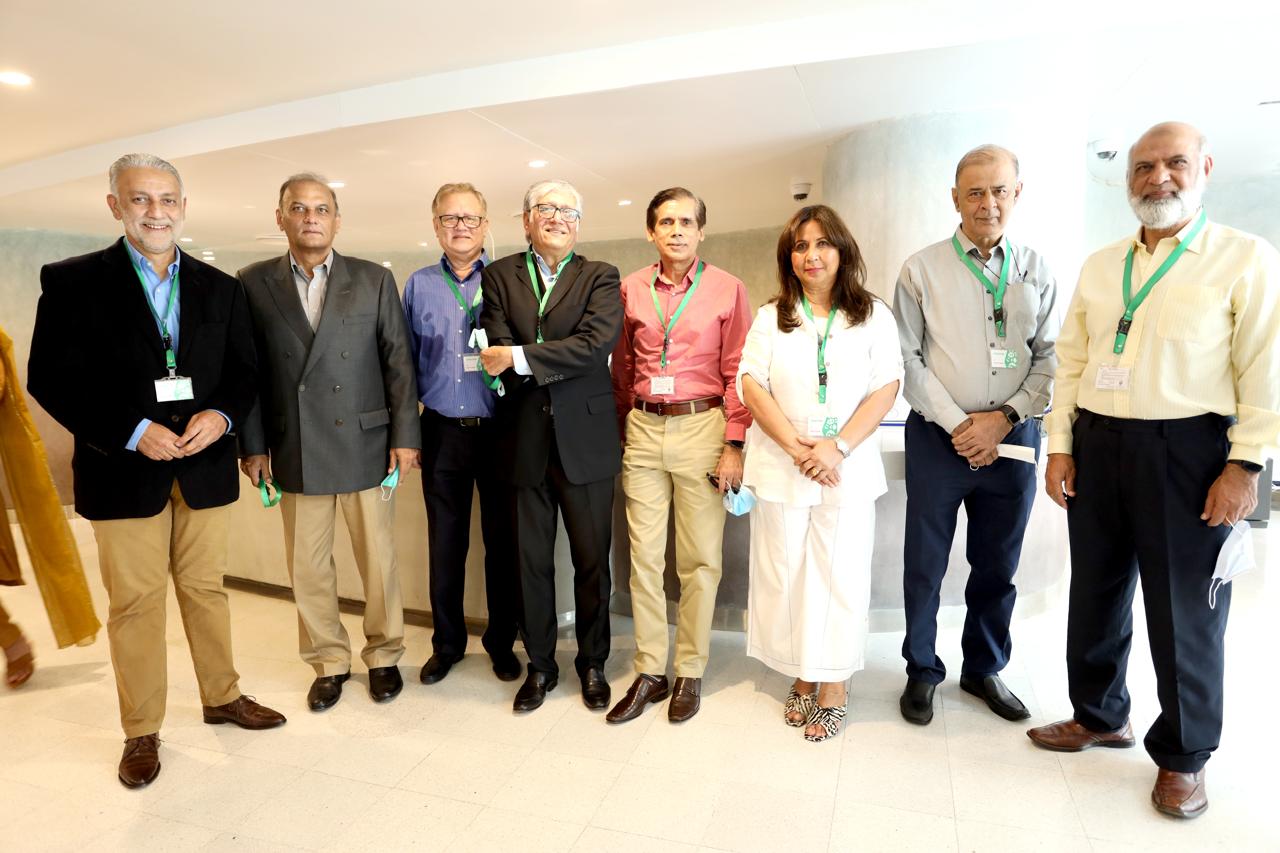
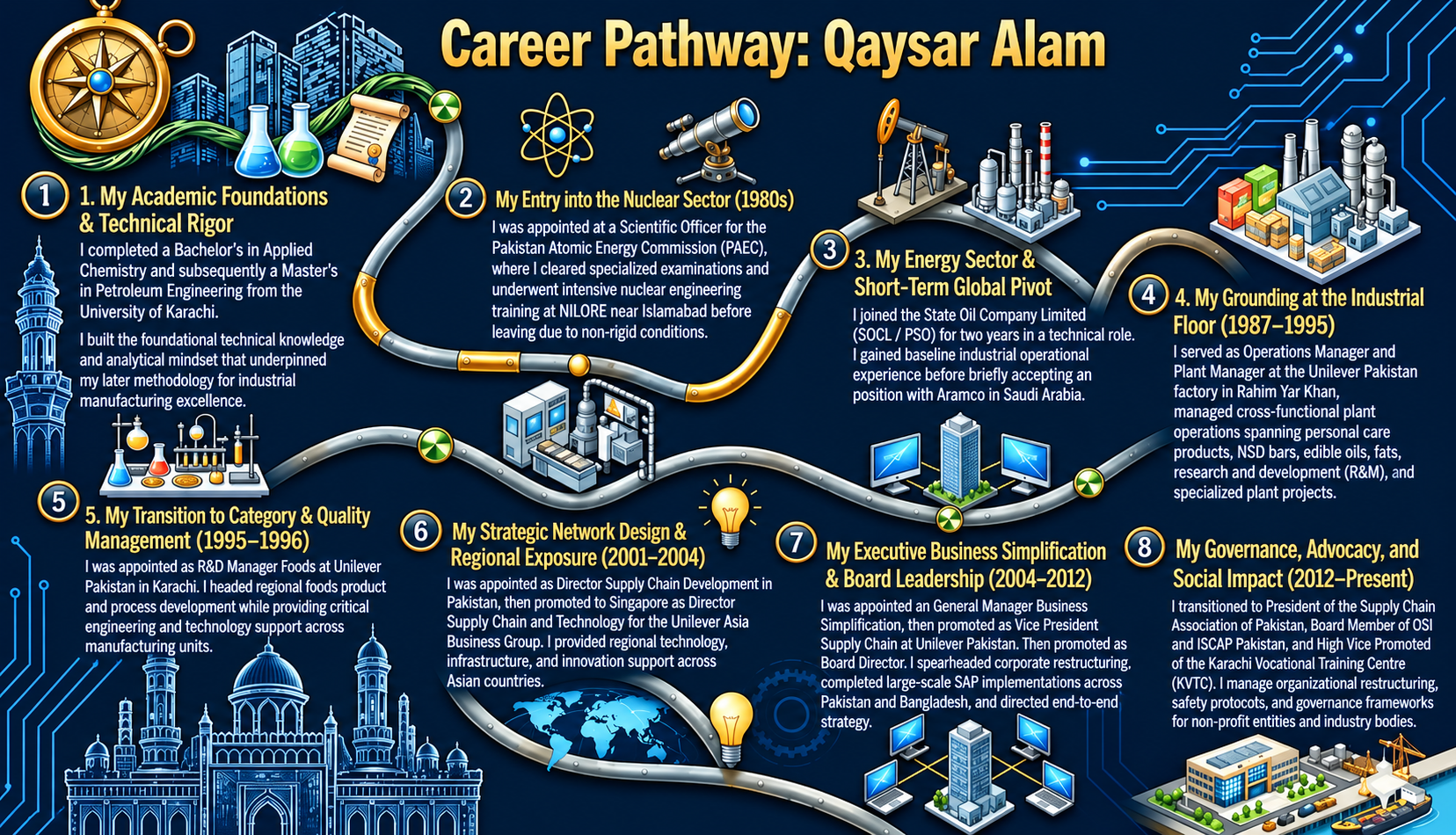
My career began with what looked like a dream posting. I briefly taught and was then selected as a prestigious Scientific Officer for the Pakistan Atomic Energy Commission. After clearing their examinations, I was sent to NILORE near Islamabad for nuclear engineering training. It was a highly secure, elite environment, but within six months, I felt completely suffocated. The heavy restrictions, the rigid protocols, and the lack of operational freedom clashed violently with my temperament. My father also sensed my misery and didn't want me stay there. Showing a level of courage that felt like madness to my peers, I packed my bags and left NILORE. It was my first major professional crossroad: I realized that a prestigious name on a CV means nothing if the ecosystem kills your spirit.
Post PAEC, Saudi Arabia & Prioritising Family over Money
I pivoted to the State Oil Company Limited (EXXON, later PSO), spending over two years building my technical foundations before landing a lucrative role with Aramco in Saudi Arabia. For a young professional in Pakistan, a Gulf career was the ultimate lottery. But life threw another curveball: I was newly married, and due to bureaucratic delays, Aramco refused to grant me family status. I was expected to live alone, separated from my wife, for an indefinite period. But I was stuck between financial security and my core values. I resigned after just one year and booked a ticket back home. People around me thought I was utterly foolish to walk away from corporate gold over family proximity. But I learned then that the best decisions in life often look foolish to outsiders in the moment.
The Unilever Door and the Founding Classroom Factories of Rahim Yar Khan
While I was navigating my return, my wife did something behind my back: she applied to Unilever Pakistan on my behalf. I didn't even know what Unilever truly was at the time. When they called me in, I went to the interview with her. While the panels were grilling me, the HR manager pulled my wife aside outside the room, completely bewildered, asking: "Why on earth are you calling him back to Pakistan when he has a magnificent salary and career waiting at Aramco?" They offered me the job, but true to my style, I told them I wouldn't join immediately. I had asked for a special permission to return to Saudi Arabia briefly, and I insisted on performing Hajj before starting corporate life. My career mattered, but my alignment with God came first. Once I returned, I was dispatched straight to the Rahim Yar Khan factory.
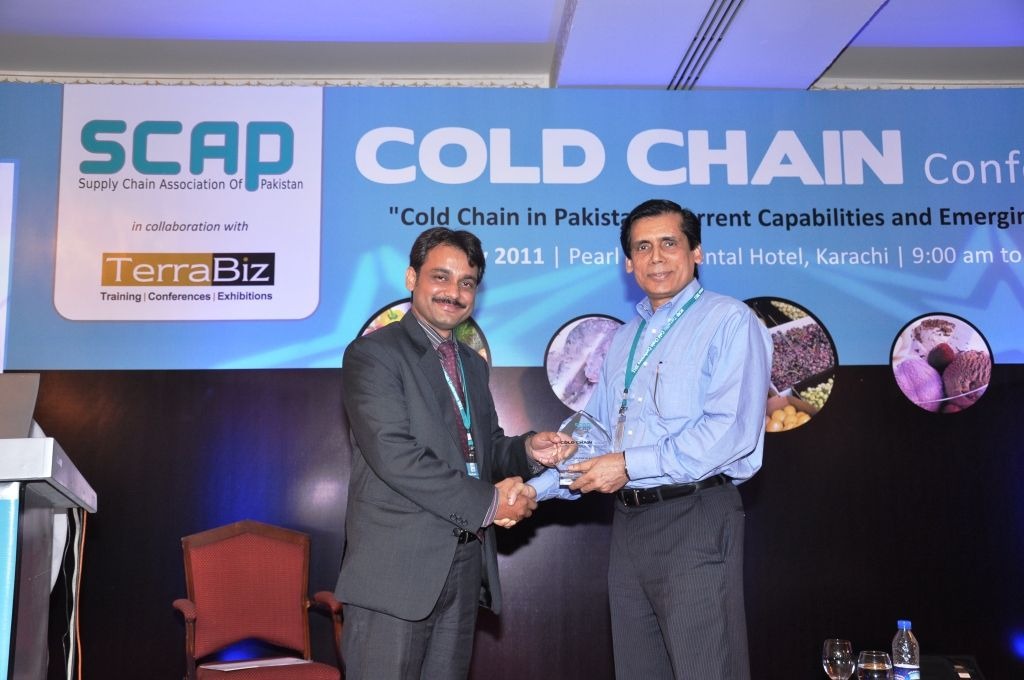
Factories proved to be my ultimate classrooms. No textbook can prepare you for the raw reality of an industrial floor where machines break down, targets slip, raw materials are delayed, and union workers push back. Rahim Yar Khan was where I learned to walk into difficult things. I started in Quality, transitioned into Production, moved to Research and Developement (R&D), and eventually into Technical Management located at head office Avari Plaza. While others became specialists in a single lane, I was forced to understand the entire living organism of the factory. Yet, looking back, the narrative that I simply marched from success to success is incomplete. There was a time in those formative factory years where things went genuinely, devastatingly wrong for a sustained period.
How I stepped up
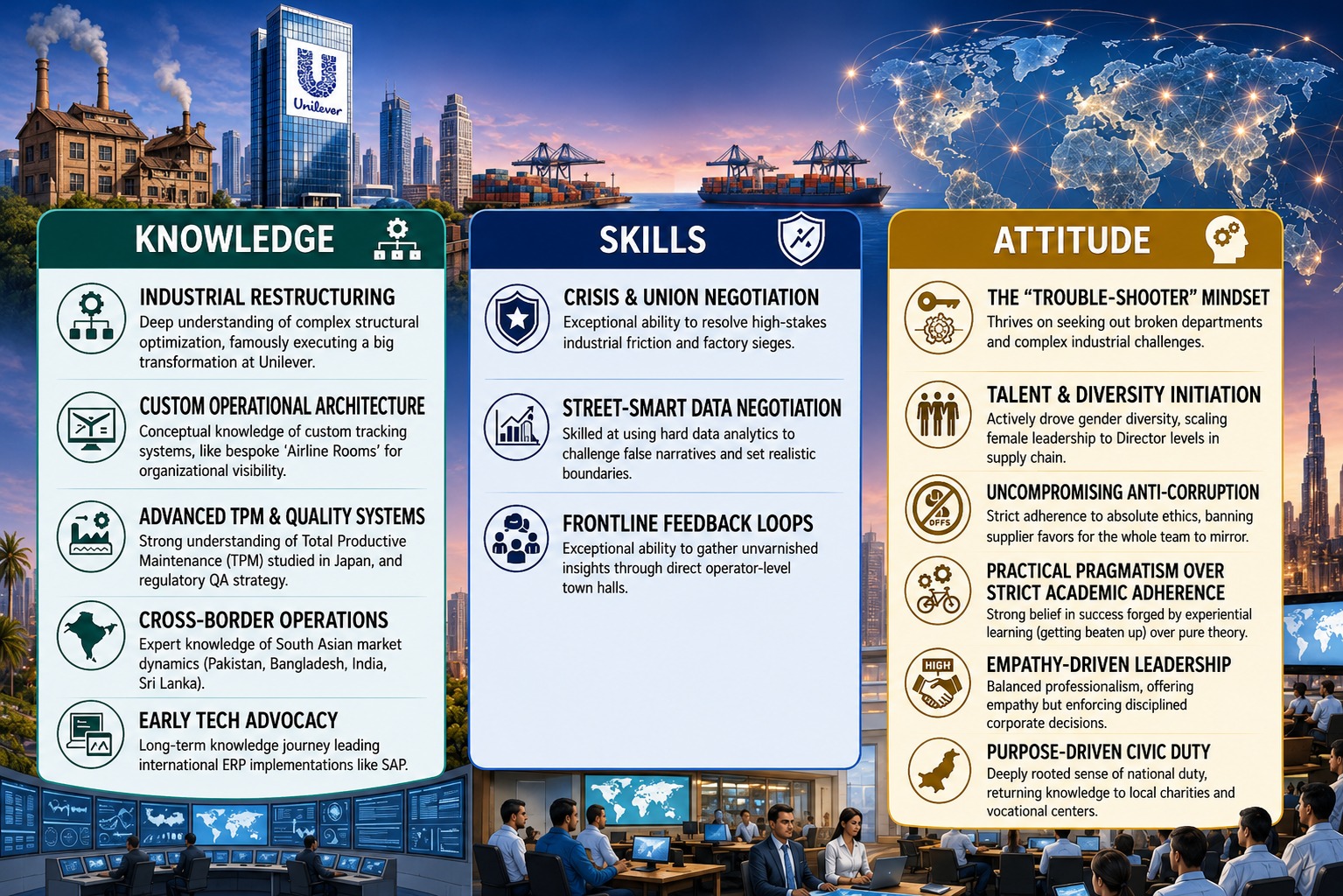
I moved steadily from Assistant Manager to Manager, Senior Manager then Director, and eventually Vice President Supply Chain at Unilever Pakistan. I developed a habit: if something was messy, sensitive, cross-functional, or difficult, I stepped into it. That built trust. Over time, organizations reward people who solve real problems. I also worked with sincerity. I never liked superficial knowledge or showmanship. If I was responsible for something, I wanted to understand it deeply.
My Mindset: Learn, Then Apply
I always believed theory alone is dangerous. Many people speak beautifully but cannot solve practical issues. I preferred combining reading with field experience. When supply chain became my responsibility, I studied books, but I also sat with wholesalers, distributors, workers, planners, suppliers, and factory teams. I wanted reality, not only reports.
That is why I often tell young people: do not become only a GPA chaser. Become useful!
Japan, TPM, and Excellence
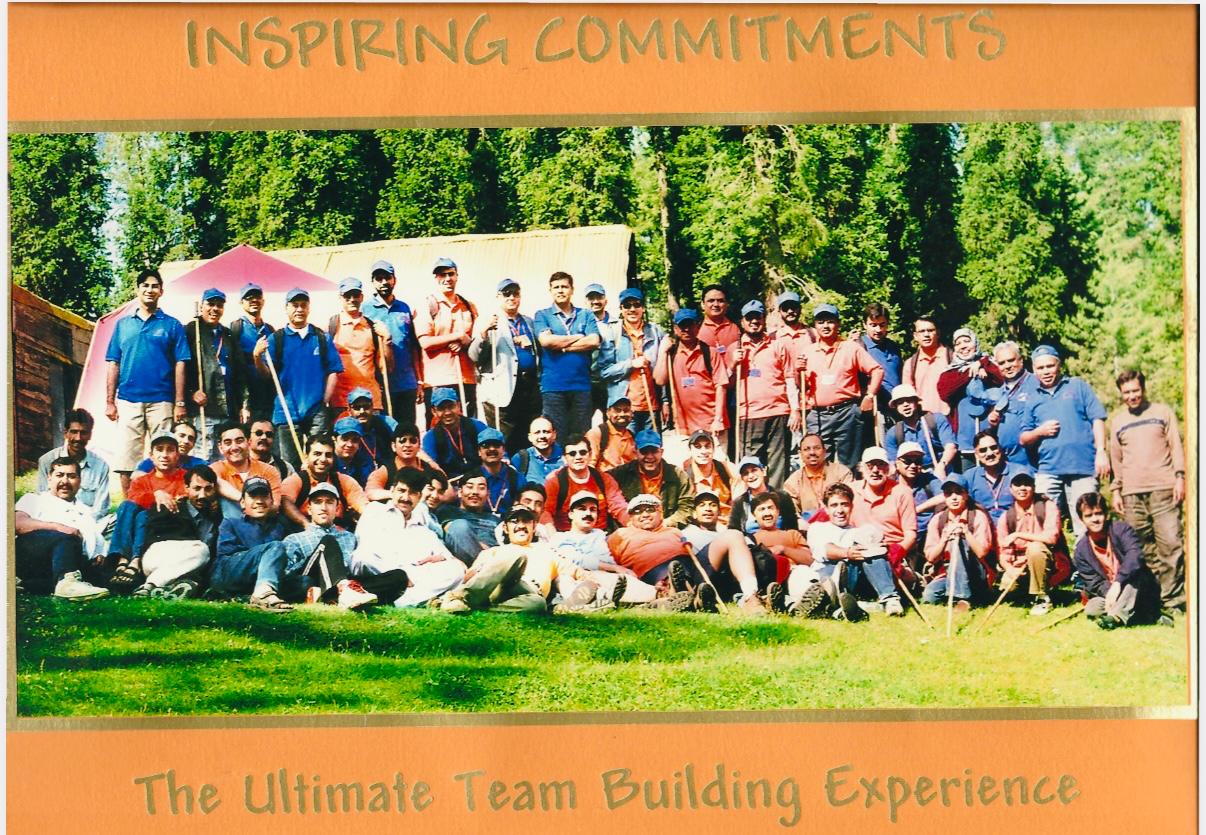
A major turning point came when I received Japanese exposure and implemented TPM (Total Productive Maintenance) in Unilever factories. TPM meant preventive maintenance, ownership of machines, discipline, team work and reduced downtime. We applied it seriously, and results followed: significant improvement in productivity, quality and flow with reduction in cost. I learned that excellence is usually built through systems and habits, not speeches.
The Brazil Incident: Twelve Men Here, Two Men There
At one stage, I was studying manpower efficiency in our Rahim Yar Khan factory. One production line there required around 12 workers to run. That had become normal for everyone. When inefficiency becomes routine, people stop questioning it. I never liked accepting waste simply because it was familiar. Later, I visited Brazil to observe manufacturing systems. There, I saw a comparable production line being operated by only 2 people. I did not react emotionally or blindly. Many managers return from foreign visits shouting, “Cut ten jobs immediately!” That is shallow leadership.
Instead, I began studying every detail:
What was their machine uptime?
How often did breakdowns happen?
How strong was preventive maintenance?
How automated was material flow?
How disciplined were operators?
How was line balancing designed?
What training systems existed?
But when I returned, I did not give emotional or headline decisions like “reduce 10 people.” Instead, I translated what I had seen into specific operational actions. First, I focused on machine reliability. I realized their systems worked because machines were consistently running, not stopping. So we pushed harder on preventive maintenance discipline, making sure machines were maintained before breakdowns rather than reacting after failures. Second, I worked on line visibility and accountability. Similar to what I later reinforced in the control room, I ensured that performance issues, downtime, stoppages, inefficiencies were measured, tracked, and discussed openly, not hidden inside departments. Third, I emphasized operator discipline and ownership. In Brazil, fewer people worked because each person had clearer responsibility. So we pushed teams to take greater ownership of machines, rather than depending on multiple people to manage the same problem. Fourth, I educated teams and unions using real examples. I did not impose decisions blindly. I showed them videos and explained what I had seen in Brazil, so they understood that efficiency comes from systems, not just cutting people. This reduced resistance and built alignment. Fifth, instead of immediate layoffs, I focused on gradual efficiency improvement. As systems improved, better uptime, smoother flow, fewer interruptions. the need for excess manpower naturally reduced over time, without shock decisions.
So the real change after Brazil was not headcount reduction, it was a shift in how the factory operated:
From reactive → preventive systems
From hidden issues → visible performance tracking
From shared confusion → clear ownership
From resistance → understanding through evidence
Numbers, Data, and the Control Room Mindset
At one stage in my career, I created what people later started calling a control room though in my mind, it was more like an air traffic control tower for quick and effective decision-making. The idea originally came from a colleague, and I refined it into a working system. The room itself was deliberately different. There were screens in front and two to three TVs, very few chairs, and most people had to stand while we used to reviewing data. It was intentional, this was not a comfort room, it was a performance room. Everyone knew that every Tuesday at 2:30 PM, I would be there, and the review would begin.
On those screens, I did not see presentations, I monitored reality:
Last week’s actual sales vs plan
Sales losses and gaps
Breakdowns caused by:
Procurement issues
Logistics inefficiencies
Factory performance problems
Planning gaps
Everything was visible in one place. No one could hide behind departments or excuses. It was fact finding session. I would look at the numbers and ask directly, Factories were on line as well. If something was unclear, I would immediately talk to the relevant factory. There was no delay, no follow-up meeting, no hiding behind emails. Within minutes, the issue was exposed. The entire thing used to end in 60 minutes, but the impact lasted the whole week. Everyone stayed alert because they knew they could be questioned at any moment with real data in front of them. Moreover, around my office, I had also placed demand planners and supply planners close to me, so even outside formal meetings, I was constantly updated. Even while walking or casually asking, I already knew what was happening. That system reflected my core belief: You cannot manage a business through reports only. You manage it through visbility, speed, and truth.
The Supplier Truth Room: When I Asked Them to Speak Freely
At one point, my internal teams confidently reported that supplier performance was around 90 - 100%. On paper, everything looked smooth -deliveries were “on time,” systems were “working,” and there were no major complaints. But I had learned not to rely only on internal reports. Something didn’t feel right. So I did something different. I called key suppliers into a room and asked my own team to sit there but remain completely silent. I made it clear to the suppliers: “Today, I don’t want formal answers. I want the truth. Tell me openly: what problems are you facing with us?”At first, there was hesitation. Suppliers are usually careful, they don’t want to offend the company they depend on. But once they realized I genuinely wanted honesty, they began to speak. One supplier said: “Sir, our payments are delayed. We have to keep following up again and again.” Another added: “Our trucks wait outside the factory for hours… sometimes days. No one coordinates properly.” A third pointed out: “Approvals take too long. By the time we get confirmation, our schedules are already disturbed.”
As they spoke, the picture became clear. The issue was not supplier inefficiency, the issue was our own internal systems: delays, coordination gaps, and lack of responsiveness. I then turned to my team, who had been listening quietly, and said: “You told me performance is 90%. They are telling me it is closer to 40%. Now tell me which version is real?” There was no argument left. The gap between perception and reality had been exposed in one meeting. After that, we worked on fixing the actual issues: improving payment cycles, reducing gate delays, streamlining approvals, and strengthening coordination between departments. Over time, supplier performance genuinely improved: not on paper, but in reality. That day reinforced something I always believed: Organizations often believe their own internal stories until they have the courage to listen to the truth from outside.
Exercising A Calm Leadership Style
I never believed leadership means shouting, showing off, or making others fearful. Real leadership is clarity, courage, calmness, and fairness. One night, HR called and said the union had locked the factory and staff were trapped inside. I calmly called the factory manager, understood the situation, gave instructions, and went back to sleep. At 6 a.m, the issue was resolved. Panic spreads downward. Calmness also spreads downward.
The Meeting at Avari Hotel - When the Room Went Silent
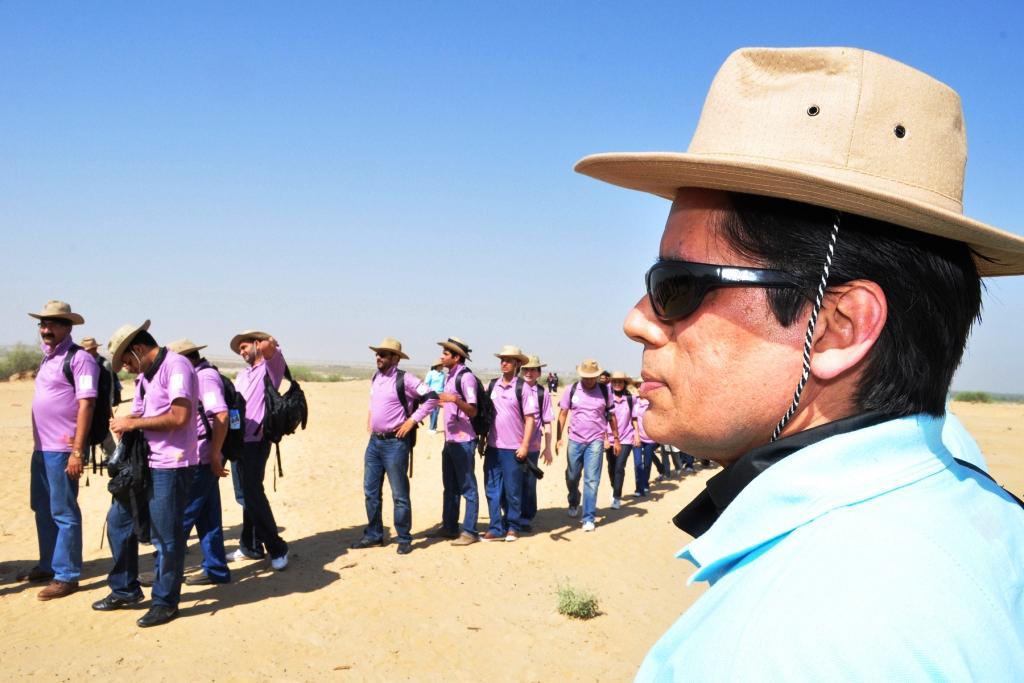
One evening, there was a formal gathering at Avari Hotel. Senior leadership from Unilever Pakistan, along with foreign and regional representatives, were present. It was one of those settings where people stand in groups, exchange formal conversations, and maintain a certain image.
In the middle of that setting, a senior head turned to me and asked - openly, in front of everyone: “Qaysar, when will your operations finally become smooth? We keep hearing about shortages.” It was not a casual question. It was the kind asked to test you publicly. Most people in that moment would soften the answer. I didn’t. I looked at him and said calmly: “Operations are not the real issue. The issue is forecasting.” I then pointed toward the sales manager standing there and continued: “Four months ago, I asked you how much product X will sell this quarter?” He replied quietly, “Around XY tonnes.” I said: “You sold twice of this quantity in one month… and suddenly the requirement became nearly three times. Tell me how do you expect suppliers to respond to that?” The room started to go quiet. I continued, without raising my voice: “Suppliers are not sitting idle waiting for us. They run their own systems; their own production plans. If we give them the wrong forecast, the failure starts there, not in operations.” At that point, no one interrupted. The conversation had shifted. What began as a question on operations had exposed a deeper issue. I didn’t stretch the moment. I said what needed to be said - clearly, factually, and then stepped back. That evening stayed with me, not because I “won” a discussion, but because it reinforced something I always believed: If your thinking is clear, your facts are right, and you speak without fear, even the most powerful rooms will listen.
Integrity, Optics, and Why I Refused Client Dinners
I was always strict about conflicts of interest. I believe honesty is not only about being clean, it is also about looking clean. If leaders regularly dine with suppliers or contractors, people begin to assume favors and influence are possible. I never wanted that assumption around me. Hence, I did not accept personal dinners or hospitality from suppliers. If invitations came, I politely declined. So there was this memorable exception, but only after I had resigned from Unilever. I was traveling to Lahore with my wife and staying at a hotel when the wife of a business contact, who knew my wife, invited us for dinner. Earlier in my career, I would have refused because even harmless gestures can create rumors. But now I held no authority, no approvals, and no influence. There was no conflict left, so I accepted. That small moment reflected a principle I always lived by: It is not enough to say you are honest. Your conduct must make dishonesty difficult to imagine.
The Factory Rating I Deliberately Reduced, Because a Man Lost His Toe!
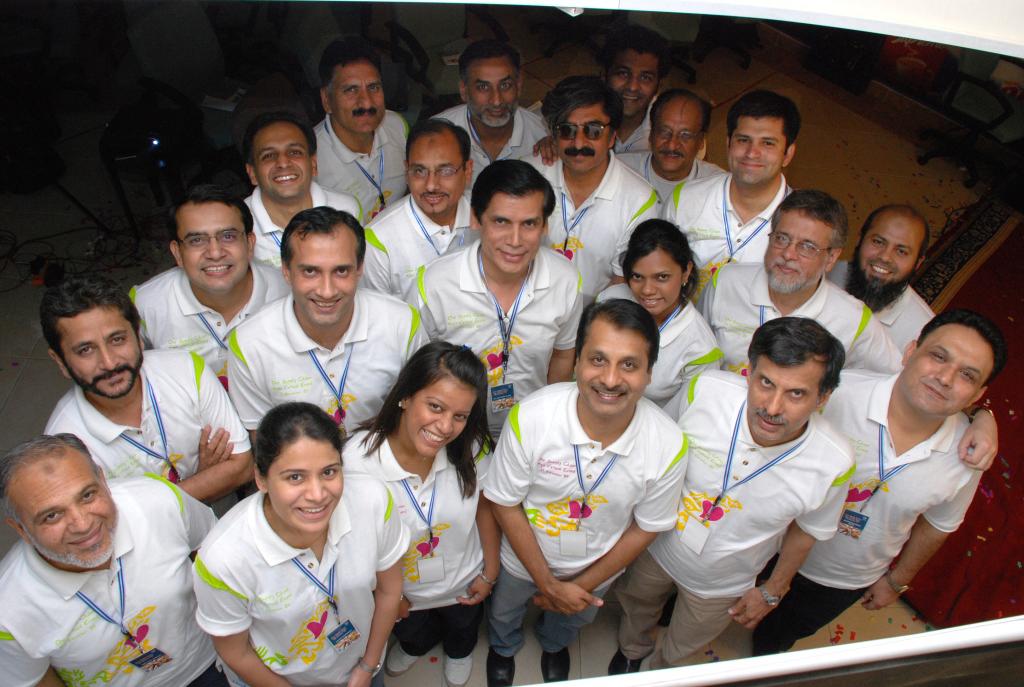
During my time at Unilever Pakistan, one of the accidents took place in one of the factories involving a third-party worker who had joined recently. It was reportedly his first day, and during operations he suffered a severe incident in which he lost his toe. A formal report was sent to me. On paper, the factory management defended itself:
The worker had been given instructions
Safety rules had been explained
Protective equipment had been provided
Standard procedures had been followed
Many leaders stop at paperwork. I did not. I asked a simple question: “If everything was done correctly, then how did a man lose his toe on his first day?” To me, leadership is not about issuing instructions, it is about ensuring people actually understand and follow them, especially someone new. A first day is when supervision should be strongest. I made it clear: “If your own child makes a mistake, who is responsible: the child or the parent?” The room had no answer. That year, despite strong overall performance, I reduced the factory’s annual rating by one full level. It was a serious decision with real consequences. But it was necessary.
However, I did not stop at the rating. I ensured corrective actions were taken across the system, not just at one site:
We reinforced that first-day workers must be closely supervised, not left alone on critical operations
Safety processes were reviewed to ensure they were not just signed, but actually understood and practiced
Leadership teams were made accountable for real safety behavior, not just compliance reports
The incident was discussed openly across the organization, so every factory understood the lesson
I wanted one message to travel clearly across all levels:
Safety is not paperwork
Contractors are not secondary human beings
Leadership owns culture, not just output
Some people felt the decision was harsh because the injured man was “only” a contractor. I rejected that completely. He may have been third-party on paper but he was first-party in humanity. That incident ensured that under my leadership, no production number could ever outweigh a human life.
The Corruption Case: When Betrayal Hurt More Than Money
During my time at Unilever Pakistan, someone from the logistics quietly came to me and said, “Sir, something does not feel right in purchasing.” At that stage, there was no hard proof, only suspicion. In many organizations, such warnings are ignored because people do not want discomfort. I was never comfortable ignoring warning signs. I asked for checks to begin. The CFO also got involved. Then an anonymous whistleblower email arrived, giving us clearer direction. We started tracing records, matching transactions, and examining entries carefully. Gradually, the matter led us to a man I knew personally well, a person I had earlier transferred from a factory to Karachi to give him a better opportunity. This was not some stranger. This was someone I had trusted.
I called him into my room. He sat in front of me, nervous but trying to stay composed. I looked at him and asked quietly, “Why did you do this?” He immediately replied, “Sir, I have done nothing.” I asked again, this time with the documents in front of him. “Look at these records. Tell me honestly why?” He still denied it. In that moment, I remember becoming emotional. Not because of the money - companies recover money. What hurt me was betrayal of trust. When you help someone rise, and he misuses that trust, it cuts differently. With heavy heart, I asked the management: “Recover the money. Make him resign. But do not destroy his life with a police case.”
That incident taught everyone an important lesson: Honesty should not be compromised at any cost!
Why I Took Early Retirement & Life Afterwards
At the peak of my career, I led a gruelling structural re-engineering of Unilever Pakistan, downsizing the organization by a huge number. Over several months, I guided hundreds of managers and directors through this painful transition, ultimately leaving behind a lean, highly effective leadership crop and fully grooming successors for my are. By 2010, I had climbed every corporate mountain: implementing SAP across Pakistan and Bangladesh, auditing across Asia, and building an iron-clad reputation. I was a complete workaholic driven by a brutal "8 to 8, 5 days a week" ethos. Paradoxically, I forced my team to leave by 5:30 PM, lecturing them on efficiency while I secretly carried immense pressure home beneath a calm, smiling face.
In 2010, during a family gathering at 2:00 AM in Oklahoma, surrounded by my siblings and children, I looked at my life. My mother was ailing back home, and my youngest son was a special needs child who required constant, dedicated parental devotion. My wife could not handle the immense weight of his care alone anymore. I stood up and announced I was taking early retirement. My family was shocked. My board friends fought me for over a year, refusing to accept my resignation. But by 30 May 2012, I walked out of the corporate door for the last time.
Restructuring Life After Retirement
The very next morning, the grand illusion of corporate status hit me. I woke up, walked out to the driveway, and sat inside the car with my driver. He looked back at me, confused, and asked where we were going. I had nowhere to go. He suggested, "Sir, let's go buy vegetables." I spent that morning standing in a crowded local market picking out vegetables, came home, sat down, and thought to myself with a sharp laugh: So, is this what my life has shrunk to? Buying Vegetables?
But when the news of my retirement hit the open market, my phone began ringing off the hook. Head hunters from premier firms in Dubai and the United Kingdom were dangling massive executive salaries to bring me back into the corporate fold. I turned them all down. And, I re-engineered my post-retirement life with the same intensity I brought to Unilever, but this time, the focus shifted from corporate success to human substance. I invested my capital aggressively in consultancy, training, on the board of directors, real estate and the stock markets, areas that required, wisdom, business and financial intelligence but zero daily office confinement.
I dedicated my hard-earned freedom to my family and community. I am an active gym regular, a swimmer, and a jogger. I love the pure mental exercise of building leadership presentations from scratch.
Exercise: Gymming, Walk, Jogging, & Healthy Diet - Health is the topmost priority
Study: Reading Books on various subject, active on social media.
Entertainment: Singing and playing Music
I used to be a power-user at Unilever, where IT teams would bring me new systems to alpha-test. When I started rewriting my 14 supply chain and leadership modules, each packed with 70 slides - I refused to delegate the work to a any assitant. I forced myself to master modern PowerPoint systems, calling my daughter and son over to teach me how to cut, paste, and embed graphics until I became blindingly fast.
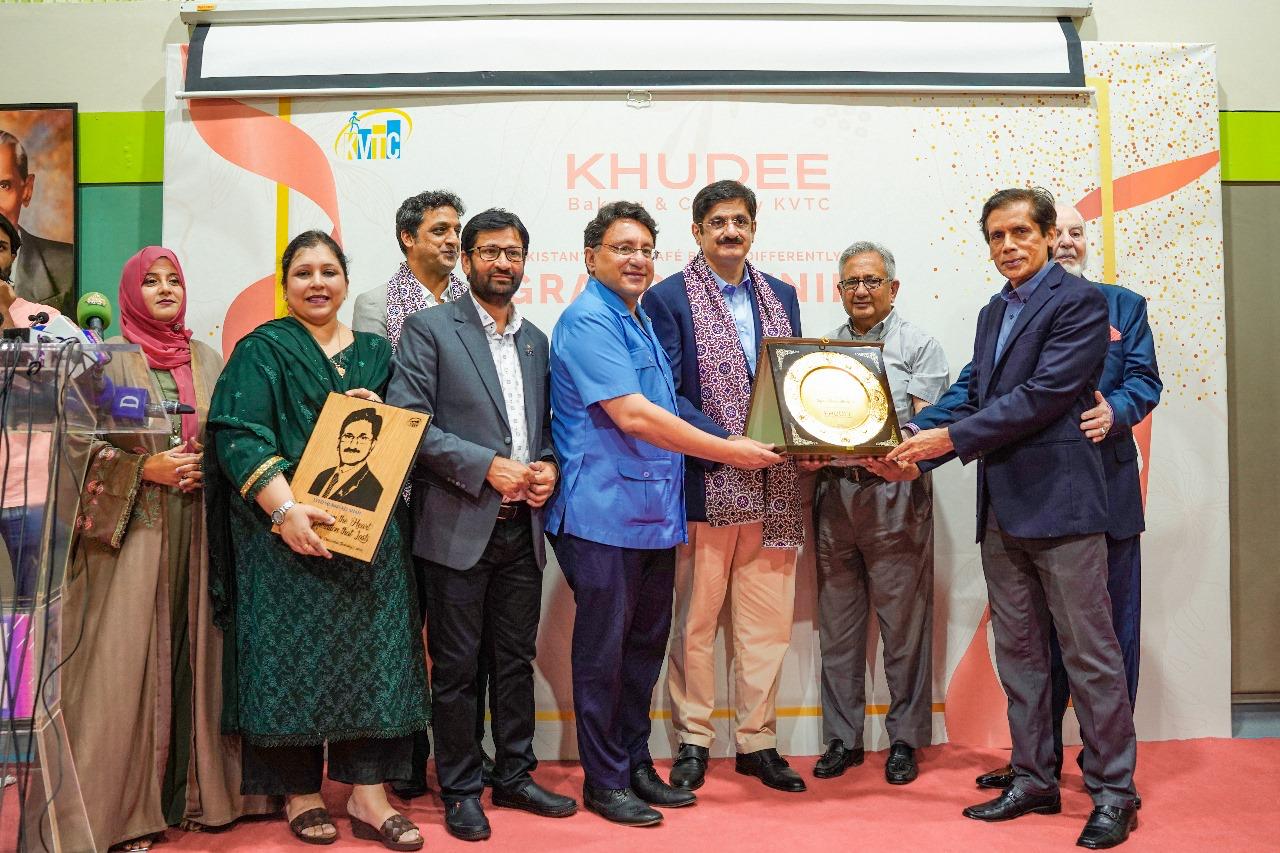
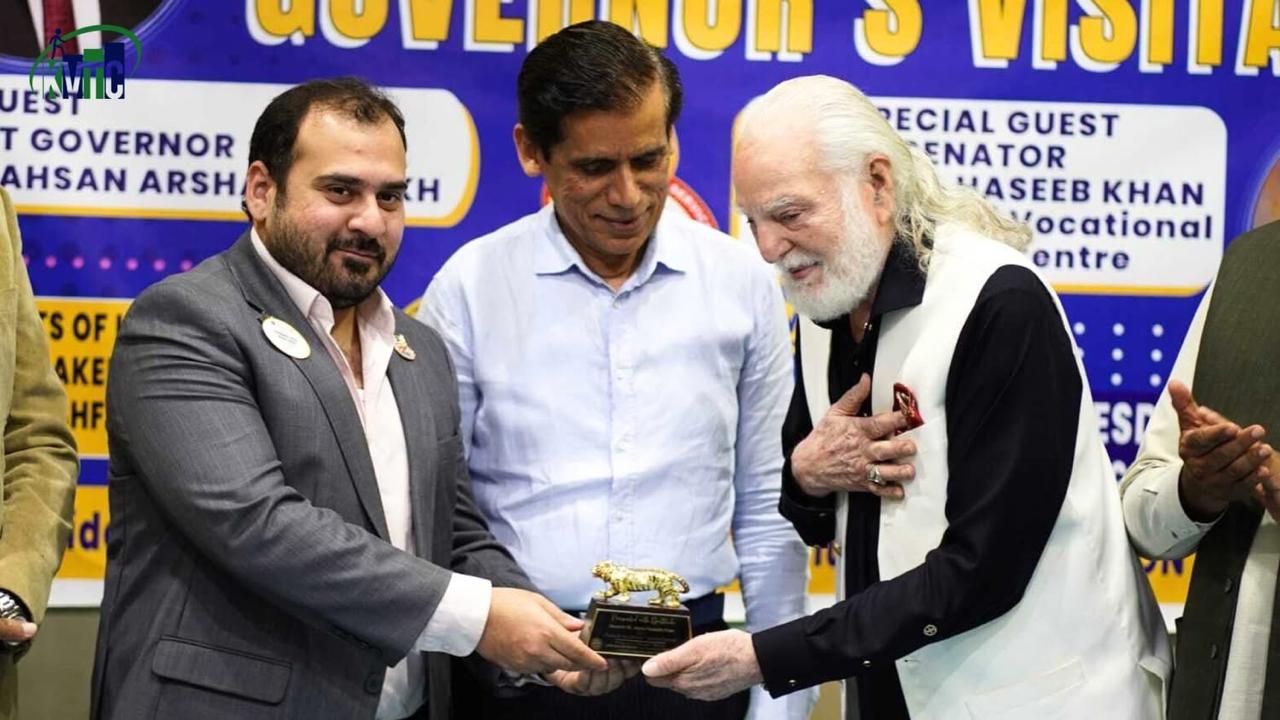
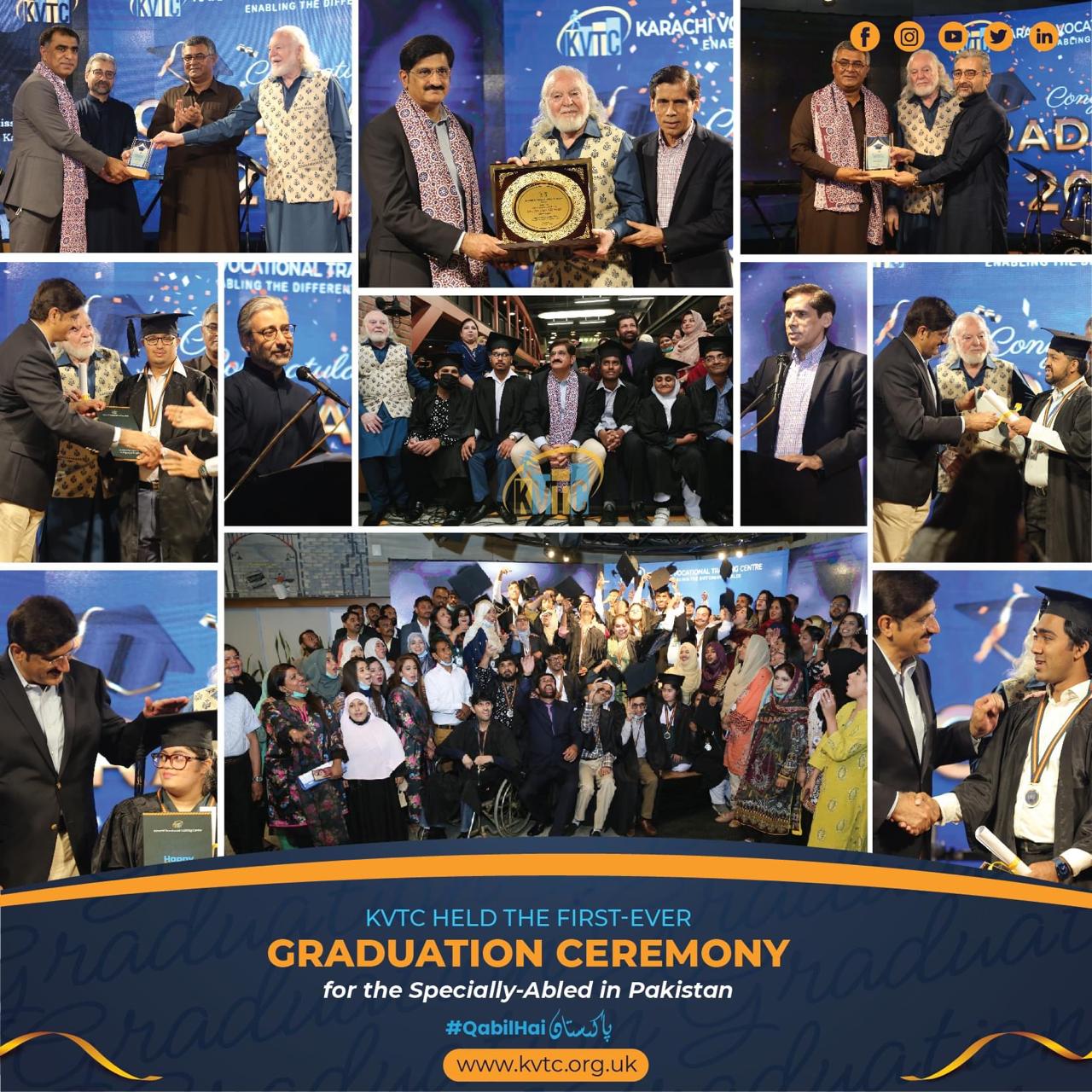
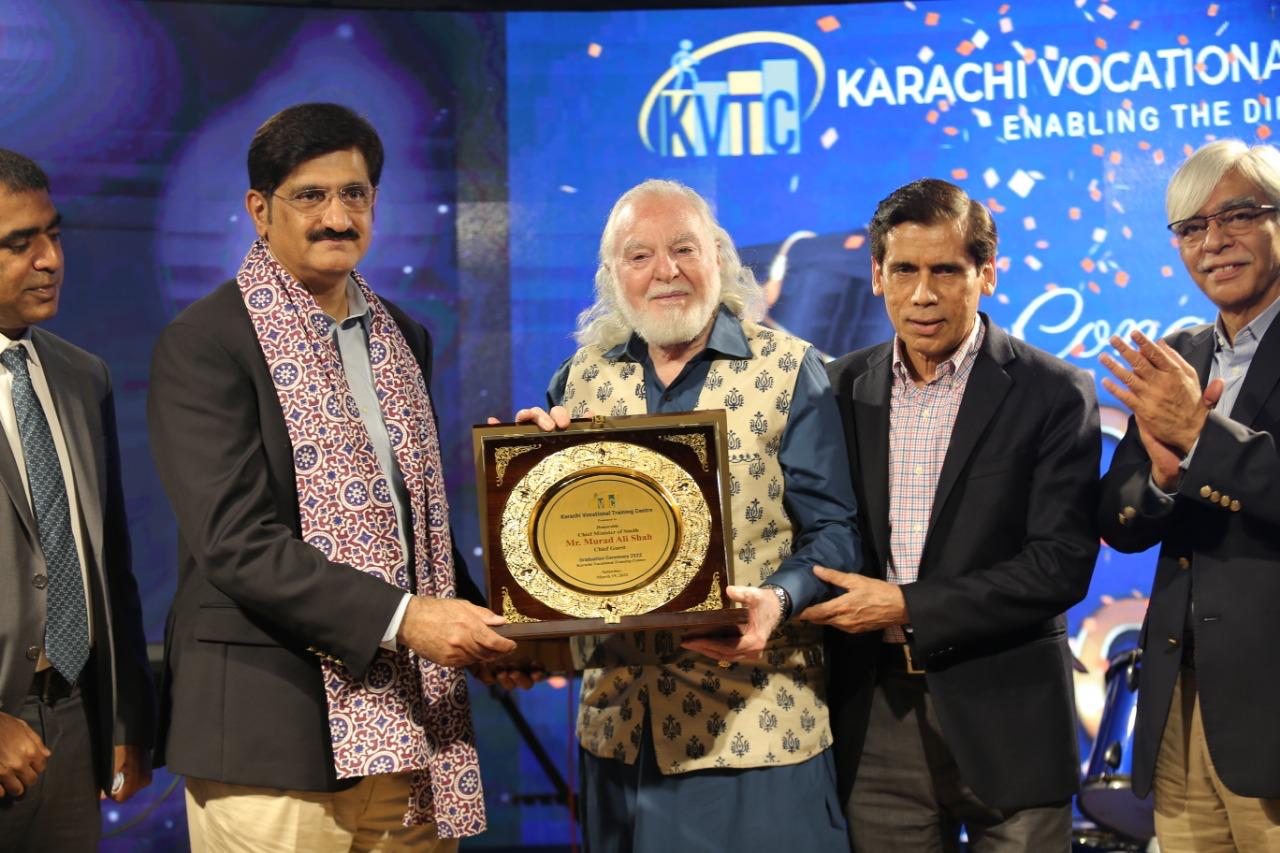
As of now, my true devotion, however, belongs to the Karachi Vocational Training Centre (KVTC) for special needs individuals. I serve as their Vice President and sit actively on their board, managing their organizational need and brand development entirely as charity. I do it because my special needs son requires a world that values him, and I refuse to leave him stranded.
Why I Chose to Stay in Pakistan
Over the years, all my siblings, children and many of close relatives settled abroad, with family members living in countries such as the United States, Canada, and the United Kingdom. Like many families, ours too became spread across different parts of the world. People often asked me why I did not also move abroad, especially after retirement when I had the freedom to do so. My answer was always simple: I never wanted to leave Pakistan permanently. This country had given me my career, identity, memories, and the stage on which I built my life. My roots were here. No matter how comfortable life abroad may appear, comfort alone was never enough reason for me to leave the place where my journey was written. I was always happy to visit family, spend time with my children and grandchildren, and travel when needed. But in my heart, home remained Pakistan. I believed belonging is not only about opportunity, it is about connection.
Moreover, me and my wife took US Green Cards solely for my son’s security (who is a special child), ensuring that when we eventually leave this world his siblings can legally bring him to America so he is never left alone.
The Crisis of the 2024–2025 Board Cases
The true test of a man isn't how he handles a difficult day at the office; it's how he survives when his entire reputation, livelihood, and peace of mind are systematically dismantled over months. Years after leaving my core executive role at Unilever, I agreed to serve as an independent board member for private corporations in Pakistan, believing it was my duty to give back my corporate knowledge to the ecosystem. I didn't do it for the money, independent board members don't get paid substantial amounts.
Then, the storm hit. In 2024–2025, a series of severe corporate governance failures, legal disputes, and regulatory crackdowns erupted across a compnay with which I was associated with as a Chairman of the Board. Suddenly, I found myself facing six concurrent, massive legal cases brought forth by the State Bank of Pakistan, the Securities and Exchange Commission of Pakistan (SECP) and various banks. Almost overnight, my world collapsed. The State Bank ordered all of my personal bank accounts to be frozen. I was completely cut off from my life savings. I had zero liquid funds to pay the massive fees demanded by senior corporate lawyers. At one point, I had to desperately rely on cash and coordinate with my son and daughter living abroad. For six to seven grueling months, I was completely detatched from regular life. The emotional toll was agonizing and the stress was so that I was entirely isolated. My daily routine became a dark cycle of legal defense. I spent my days sitting with lawyers, manually writing out case arguments, defending myself over hours-long Zoom hearings with the SECP, and reviewing complex legal filings sent over WhatsApp. We eventually proved our innocence, demonstrating clearly to the regulatory bodies that as independent directors, we were completely disconnected from executive approvals and corporate secretarial errors - we were not the ones who had compromised the systems. We fought aggressively and opened the accounts back up, but the experience significant cost in legal fees and left deep, invisible scars. I remember writing bitterly on Facebook and LinkedIn at the time that under this current broken system, no decent, self-respecting professional would ever choose to sit on a private corporate board in Pakistan. It took a massive amount of internal motivation to survive that dark period without breaking. Without that sustained, terrifying failure, I would not have the deep, unshakeable grit I possess today.
Matching the Mindset to the Role
Over my career, I realized that where a graduate comes from often shapes how they think and where they will naturally thrive within the supply chain. The supply chain isn't a one-size-fits-all department; it requires completely different mindsets depending on the function. For instance, when hiring graduates from business schools like IBA, I found they generally aren't inclined to go into heavy manufacturing on the factory floor. Their strengths lie in commercial acumen, strategy, and cross-functional coordination, making them far better suited for planning, procurement, logistics, corporate supply chain strategy, or managing government and regulatory interfaces. On the other hand, candidates coming from an engineering background have the technical grounding needed for the operational grit of the field. They are naturally built to handle manufacturing, plant operations, equipment efficiency, and logistics management. Every function requires a specific attitude and skill set, managing a factory union requires a completely different approach than running a demand planning model. As a leader, the key is recognizing these inherent strengths early on and placing people where their background and mindset allow them to excel, rather than trying to force everyone into the same mold. However, with experience and training they develop multi-skill as well and it help them to grow to senior leadership role. This requires a good mentoring process which generally lacking in organizations.
People Development Was My Real Success
I rotated people across planning, procurement, logistics, factories, quality, and projects. I wanted complete leaders, not narrow specialists. Many of them were sent on foreign assignments. Two people later took over responsibilities I once held. That gave me satisfaction. Titles end. The people you develop continue. I also deliberately brought women into planning, factories, procurement, and management roles when supply chain was considered male territory. Many later rose to senior levels.
Building the Supply Chain: People, Purpose, and Street Smartness
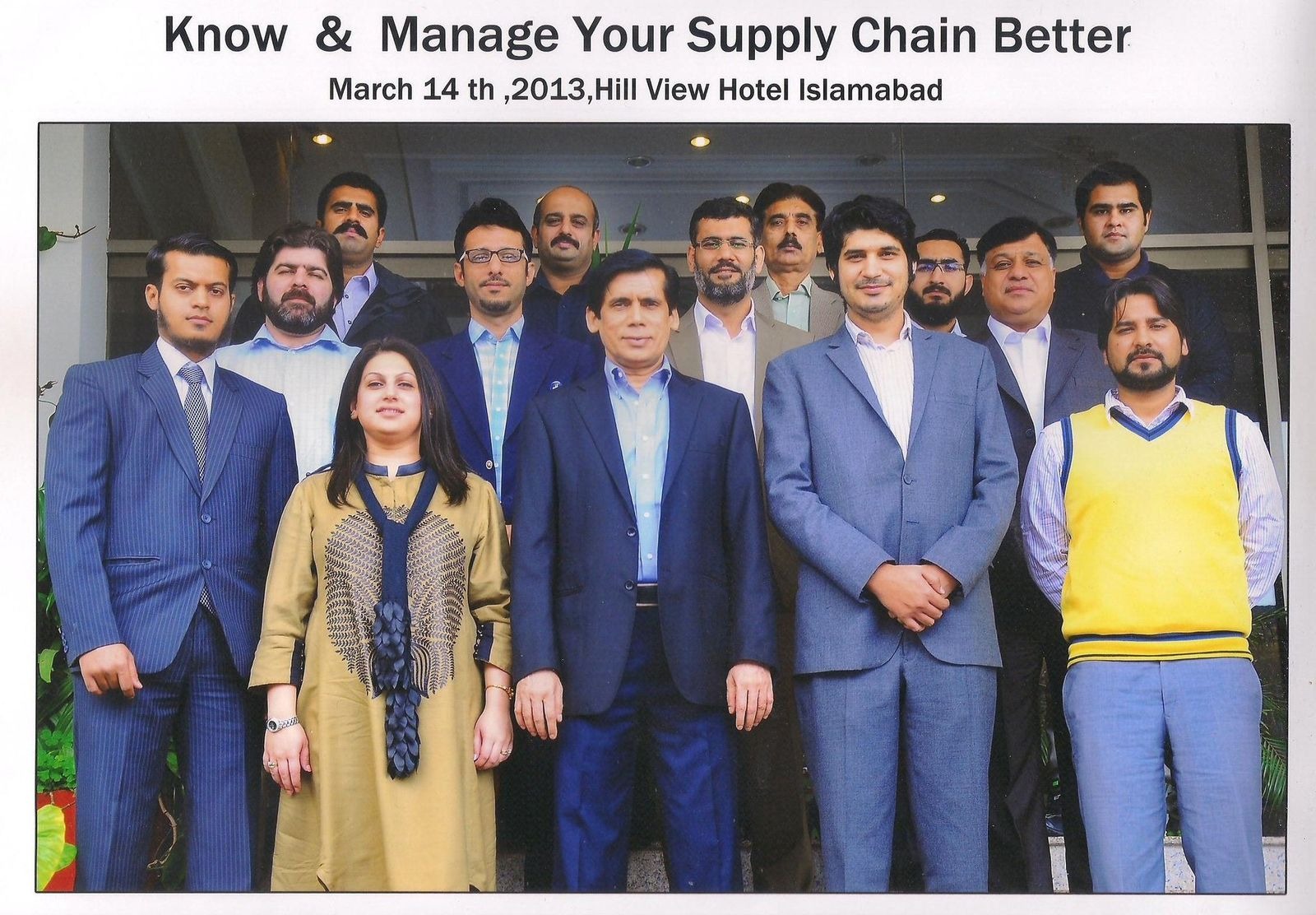
When I first took on the challenge of implementing and leading the supply chain, it was an evolving area and I didnt't have much knowledge of the subject; I had to learn it by getting my hands dirty, stepping onto the shop floor, and talking directly to wholesalers, distributors, suppliers and logistics providers. Supply chain is a deeply heterogeneous field - it spans procurement, planning, manufacturing, distribution and logistics, quality, HSE and union relations. Over the years, I realized that true success in this domain isn't about hiding behind theoretical books or a 4.0 GPA only. While academic credentials might clear an initial screening, companies ultimately look for street smartness, team players, and individuals who can lead people effectively on the ground. When I built my teams, I prioritized diversity and agility, moving individuals across functions - between quality, planning, logistics, procurement, project management, HSE and plant management - so they understood the entire ecosystem. I even challenged old industry perceptions by bringing female into core supply chain and factories, proving that leadership in the field relies on capability and drive rather than traditional stereotypes.
When it came to hiring, I often interviewed candidates at the final stage to evaluate their core values, body language, and leadership potential. I could often gauge a candidate’s fit the moment they walked through the door; I looked for authenticity, ease of communication, and a practical mindset rather than only polished exaggeration. I wanted people who were grounded, confident, and eager to learn, not those who relied only on pre-scripted answers or superficial credentials. My strongest advice to anyone aspiring to excel in supply chain- or any corporate leadership role - is to stay deeply connected to the ground, work with absolute honesty, and focus on building genuine trust with your team. If you manage your people with empathy, stay street smart, and operate with integrity, the results and career growth will naturally follow.
Mistakes and Learnings - Learning by Falling, Not Reading
Regarding mistakes in life, I did not point to any specific incident. My learning came differently: through experience, not theory. I always believed that real understanding does not come from books alone. I used to say: “You can read a book on how to ride a cycle, but will you be able to ride it?” The answer is no. You learn only when you fall, get hurt, and try again. That is how confidence is built.
In my career, I did not rely fully on textbook knowledge. I created my own case studies, based on real-life problems, real numbers, and real consequences. That is why when I spoke, I knew what I was saying - I had lived it. So my biggest learning was simple: Superficial knowledge looks impressive but real knowledge comes from experience, struggle, and mistakes.
Technology, My “Nawasa”, and Staying Relevant
Even during my working years, I understood that technology would define the future. When DOS systems were introduced, I did not ignore them like many others, I enrolled in a course, passed it, and practiced regularly, even going to the office on weekends to learn. My thinking was simple: “If you don’t learn, you will be left behind, even by your own children.” I even once told my younger brother, who was very tech savvy the same thing: “Move forward in this, otherwise you will be disconnected from the next generation.” This became even clearer when I looked at my own family. My maternal grandson, at just 10, has his own YouTube channel and website. I asked myself: “If I cannot understand his world, how will I even communicate with him?” That is when I realized: technology is not optional anymore. It is a bridge between generations.
My Message to the Next Generation
I have always believed that the youth are the future and hope of this country. But hope alone is not enough - you must build yourself into someone worthy of trust. Be a true person. Not only a polished version, not a fake personality, be real. Speak the truth, present things as they are, and let people see who you actually are. Trust is not built through clever words; it is built when people know you don’t lie.
Everyone talks about success, but very few talk about time. Every person, whether it is Elon Musk, a Rickshaw Driver, or anyone else has the same 24 hours. The difference is not time. The difference is how you use it. Spend it building yourself, learning, thinking, growing - or waste it, and it will show in your life. Time always gives you back exactly what you invest in it. Today, you have something we never had: unlimited access to knowledge. With smartphones and AI, you can learn anything, anytime. There is no excuse left. If you want to grow, everything is already in your hands. But remember this - don’t just chase knowledge, build character. Don’t try to always be the smartest in the room or the center of attention. Balance matters. Depth matters. Authenticity matters.
Moreover, the younger ones should also take care of their diet, eating, sleeping habits, and engage in physical activity - these things are often ignored by Gen-Z nowadays!
Harnessing the Gift of Time: Social Impact
I chose early retirement because I wanted my time to belong to something more meaningful: giving back. I realized that I had already done enough for my career and for financial gain; now, I want to dedicate my energy to the people and institutions around me who need my support. I feel more connected when I strive towards giving back to society. Passing knowledge to others is main, because if you keep it in yourself and leave this world, it’s meaningless! What we have learned, we should transfer that to others and aim to continue doing it. Remember, Humans help others, Animals do not!
Defining a Legacy of Service
For me, legacy is defined by a life dedicated to the service of others. I truly believe that each of us was created not just for our own benefit, but to care for those around us. When I am gone, I wish to be remembered for my commitment to:
Authenticity: Striving to be a "real person" and encouraging my children to do the same.
Integrity: Avoiding what is wrong and always choosing the path of truth and honesty.
Generosity: Sharing whatever I can, be it my knowledge, my finances, or my time to help others in any way possible.
Through these values, I hope to inspire future generations to recognize that our greatest purpose is found in the well-being and upliftment of others.
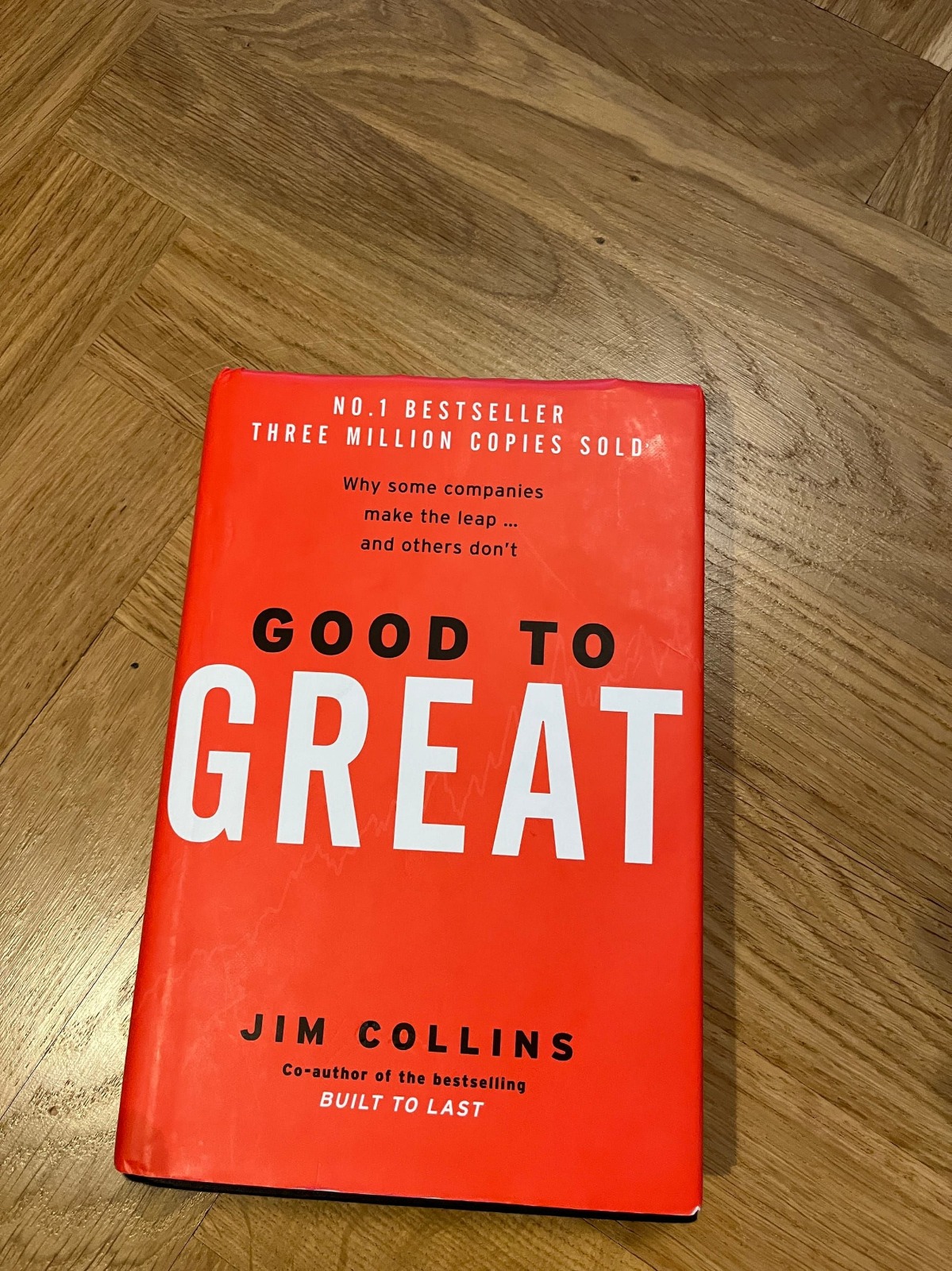
Good To Great - by Jim Collins
Good to Great explains how companies achieve long-term greatness through discipline, strong leadership, and the right people.
Key ideas include Level 5 Leadership, the Hedgehog Concept, and putting the right people in the right roles.
Greatness is not achieved through sudden change, but through consistent effort and gradual momentum—the Flywheel Effect.
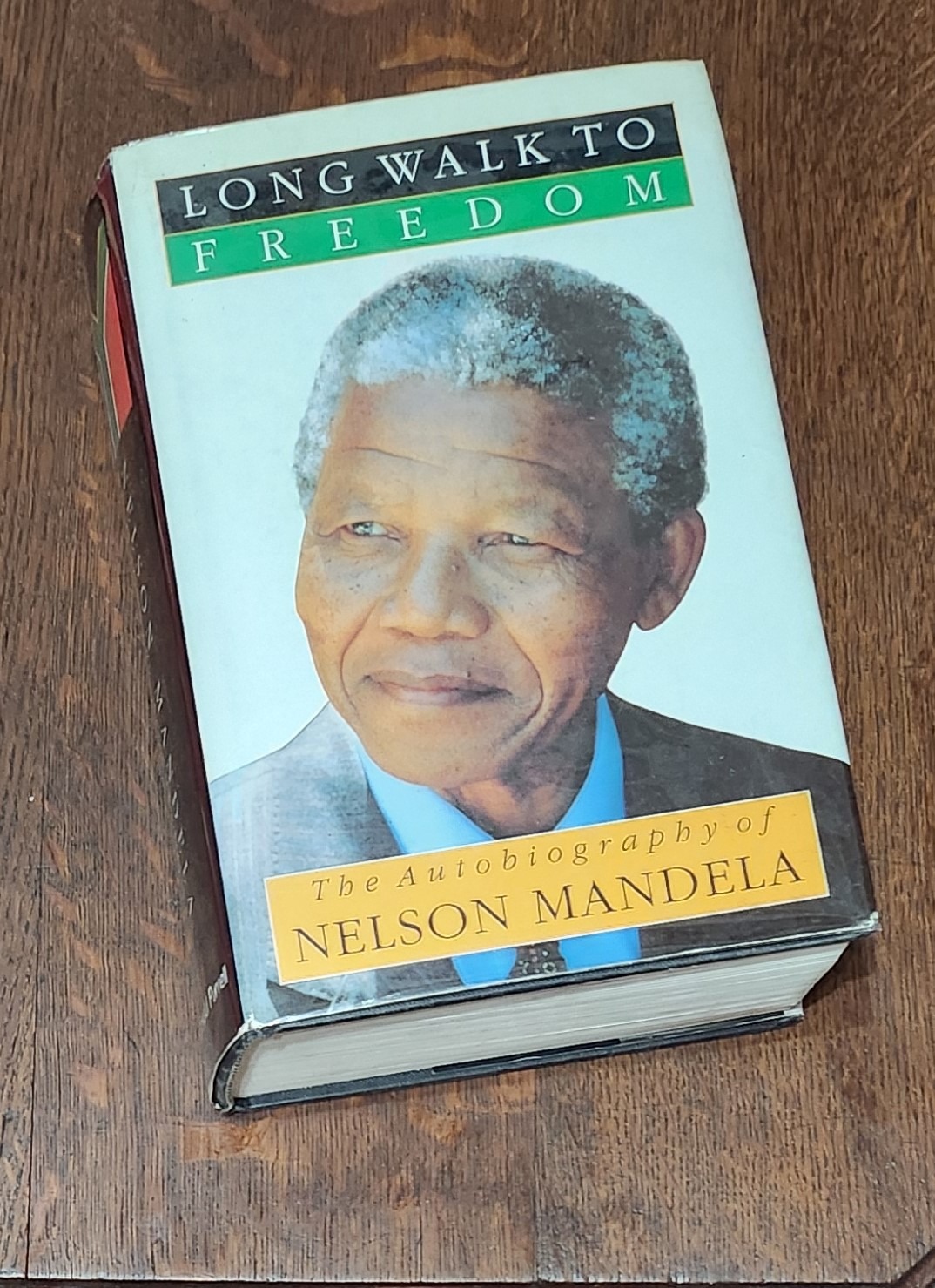
Long Walk To Freedom - by Nelson Mandela
Long Walk to Freedom tells Nelson Mandela’s journey from childhood to becoming a key anti-apartheid leader and South Africa’s first democratically elected President.
The book highlights resilience, sacrifice, courage, and the pursuit of equality in the face of oppression.
Mandela’s 27 years in prison demonstrate the power of perseverance, humility, forgiveness, and moral courage. Ultimately, it shows how enduring personal hardship can lead to national reconciliation and lasting freedom.
پرواز ہے دونوں کی اسی ایک فضا میں
کرگس کا جہاں اور ہے، شاہیں کا جہاں اور